Guide · Hiring 3D visualisation
Freelance 3D visualiser or 3D visualisation studio: how to choose
Both can produce excellent renders. The real differences are in who carries the risk, how consistency is held across a set, and who is accountable when something needs correcting. This guide sets out when each is the better choice, and gives you a checklist to use with anyone you are considering.
A note on interest: XIYÀTO is a 3D visualisation studio, so we have a stake in this question. We have tried to answer it fairly, including the cases where a freelancer is the better hire.
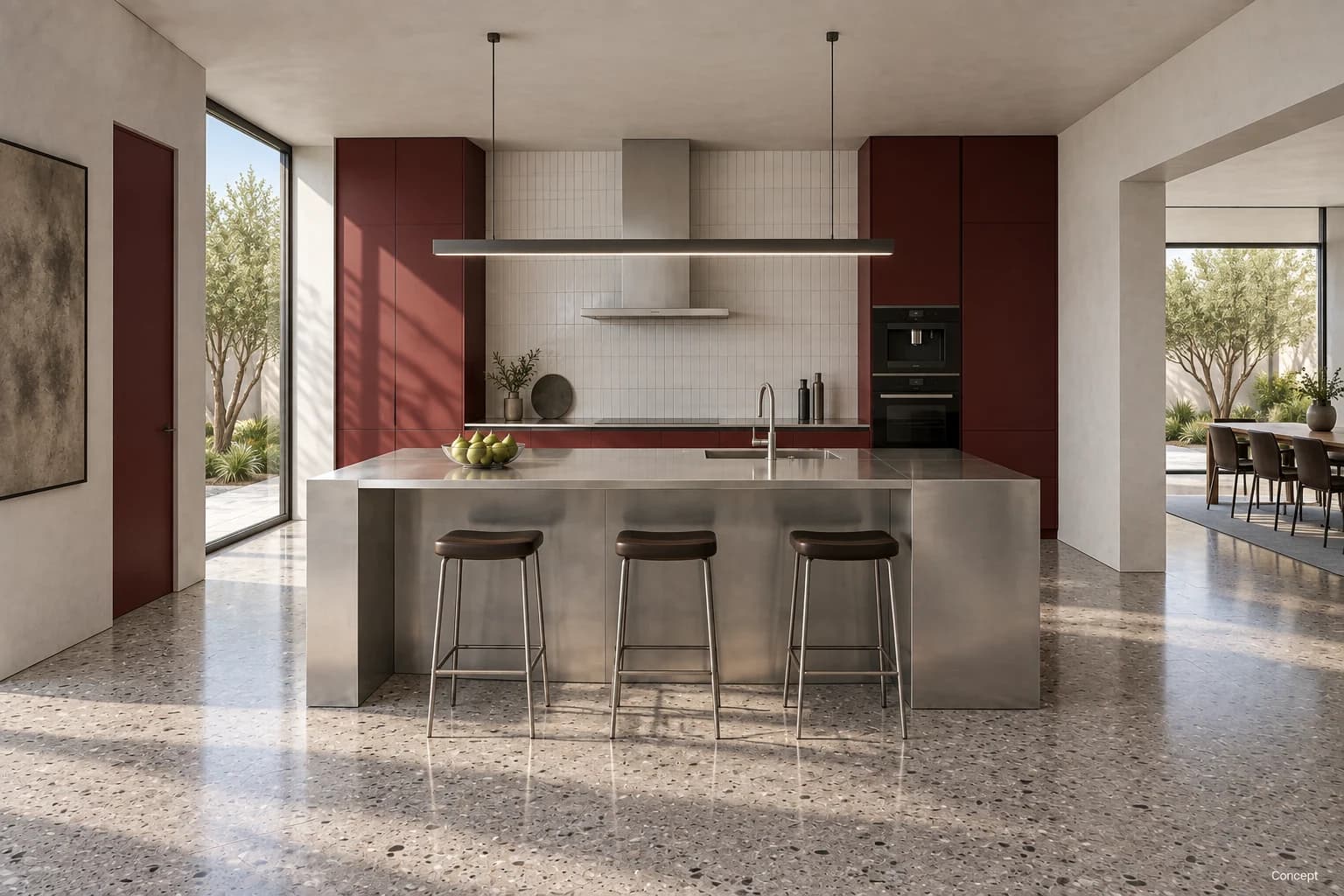
The short answer
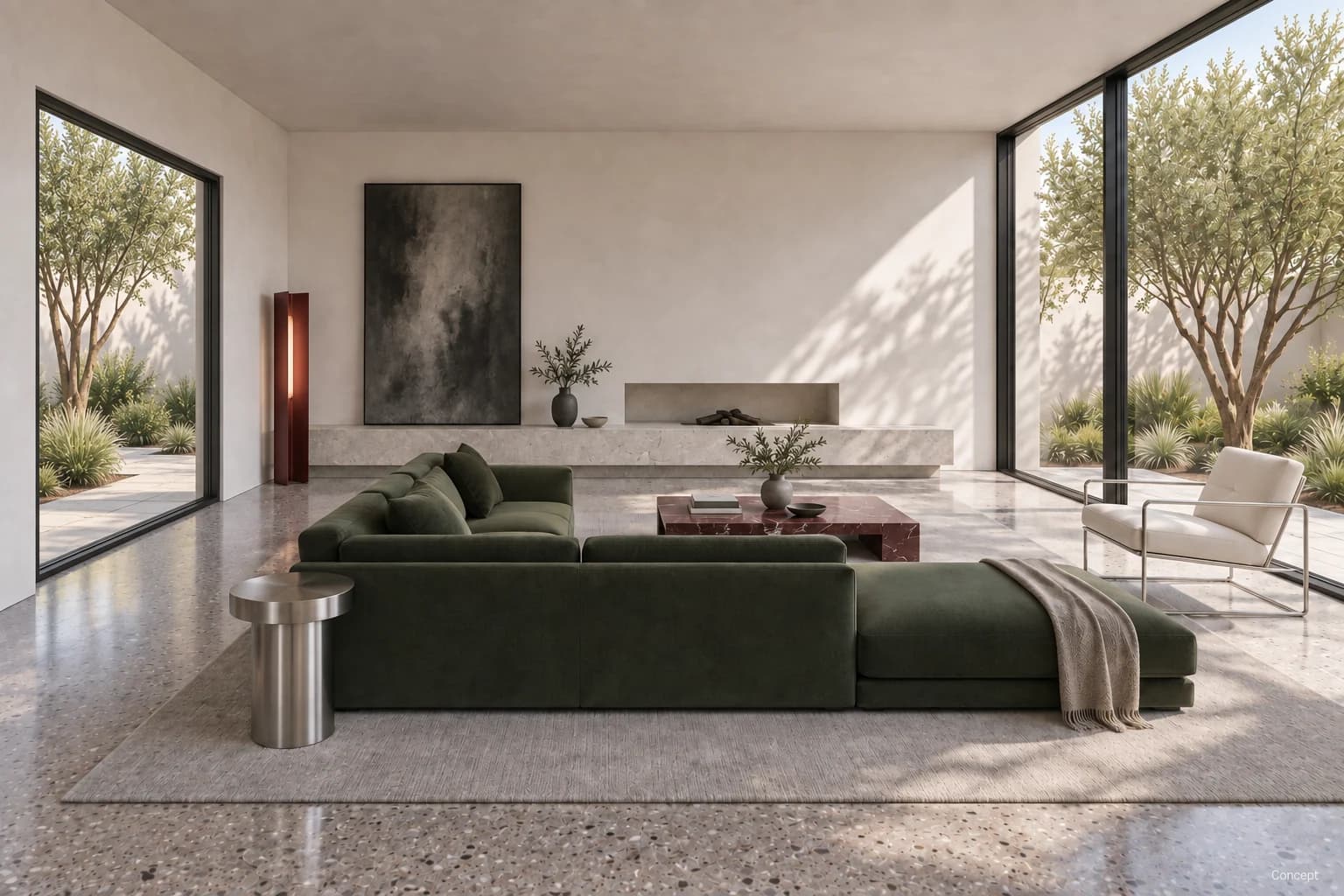
Choose a freelancer
Hire a freelance 3D visualiser for a small, well-defined job, when their portfolio already shows your kind of project, or when you want one artist's style.
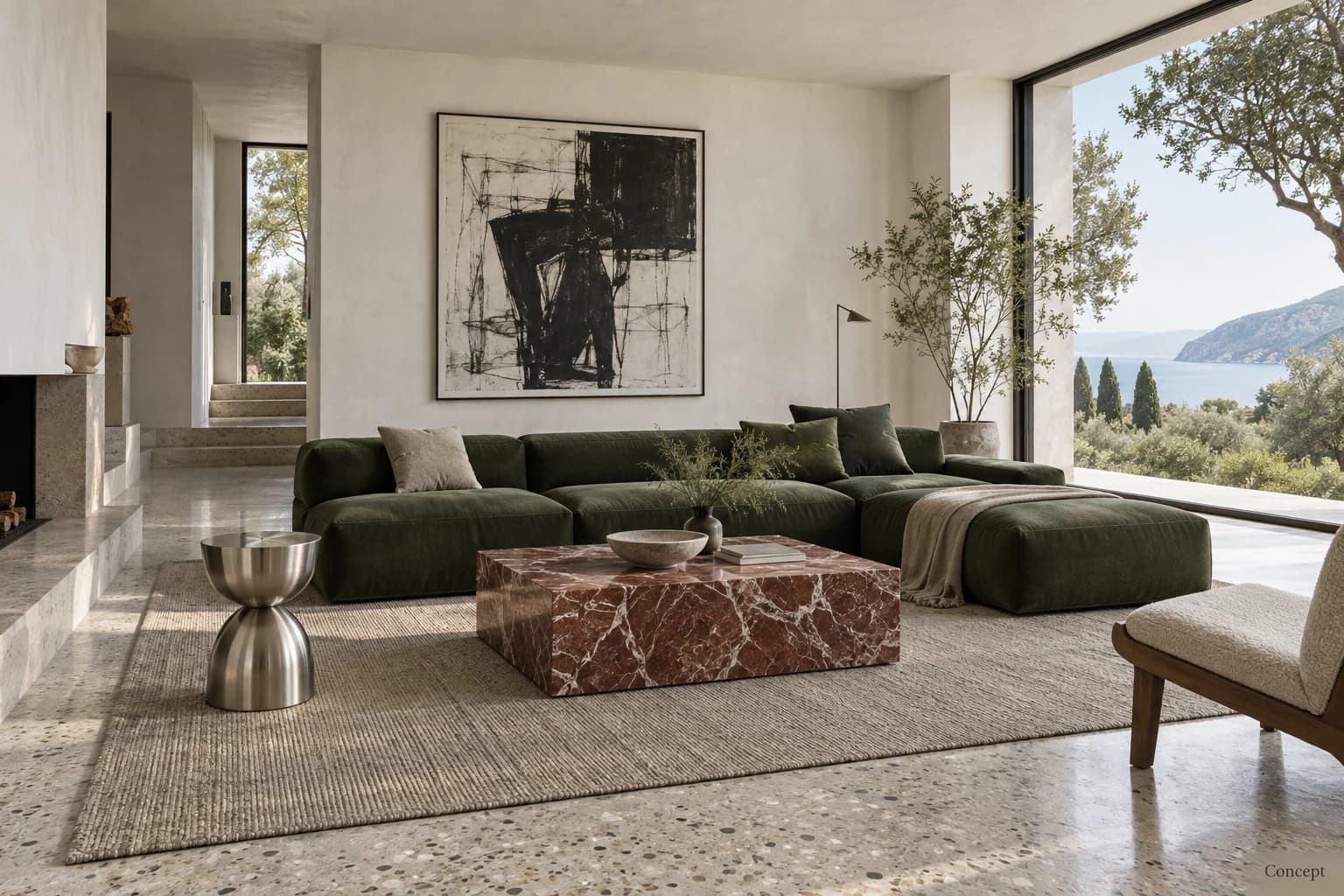
Choose a studio
Hire a 3D visualisation studio when images must match across a large set, when the deadline cannot move, or when the project also needs film, drawings or other disciplines.
Whichever you choose, insist on a written scope, a clear list of inputs, defined review stages and rights agreed in writing. Those protect you more than the size of the supplier.
When a freelancer is the right choice
A small, well-defined job
One or two views of a room or a product, with drawings and finishes already settled. There is little to coordinate, and one skilled person can carry it from start to finish.
You have found the right person
If a freelancer's portfolio already shows your kind of project at the quality you want, that is strong evidence. Experience in your typology matters more than the size of the business behind it.
A signature style
Some visualisers have a recognisable look that is exactly what a project needs. If you are hiring the style, hire the artist.
A tight budget with flexible dates
Lower overheads often mean a lower price. If the deadline can move when the visualiser's calendar does, the saving can be worth it.
When a studio is the right choice
Sets that must match
A full scheme, a development or a product range needs the same camera language, lighting and finish treatment across every image, often over months. Written consistency rules and retained working files make that repeatable.
Deadlines that cannot move
A launch, a planning submission or a client presentation is a fixed date. A studio can usually move work between people when something goes wrong; a single freelancer may have no one to hand over to.
More than one discipline
When the same project needs stills, a short film, drawings or a website, one supplier working from one set of inputs avoids each specialist rebuilding the scene from scratch.
Process you can audit
If you need a written scope, defined review stages, counted revision rounds and checks before delivery as standard, not as a favour, a studio is more likely to work that way by default.
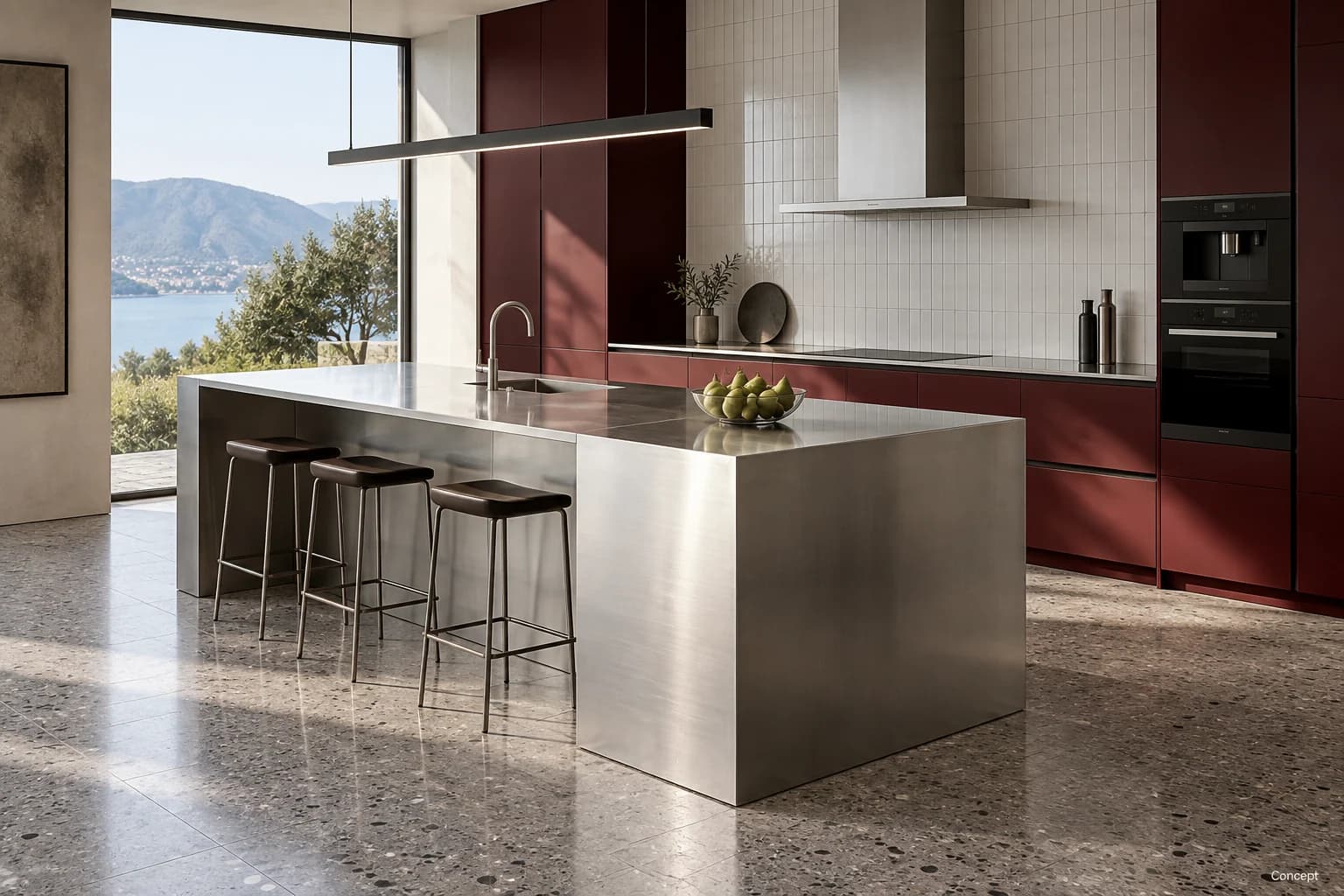

Freelancer and studio, factor by factor
These are tendencies, not rules. A well-organised freelancer can out-perform a disorganised studio, which is why the checklist below matters more than the label.
| Factor | Freelancer, typically | Studio, typically |
|---|---|---|
| Cost | Often lower per image, because overheads are lower. Check what is included: revision rounds, resolution and file formats. | Often higher per image, because the price includes coordination and review time. Usually quoted against a written scope. |
| Risk and continuity | Depends on one person's availability. Illness, holidays or a bigger client can stall a project with no one to take over. | Work can usually be covered by someone else, and files are normally kept so a set can be extended later. |
| Quality and consistency | Can be outstanding, and is as consistent as that individual. Quality varies widely between freelancers, so the portfolio is the evidence. | Depends on the studio's review process. Consistency across large sets is easier to hold when the rules are written down. |
| Turnaround | Fast when they are free, slow when they are booked. A single calendar sets the pace. | Can split a deadline across people, but you may queue behind other projects. Ask for a delivery date in writing either way. |
| Communication | Direct: you talk to the person doing the work, which keeps feedback loops short. | Can involve an account manager between you and the artist. Ask who you will actually speak to. |
| IP and usage rights | Set by your agreement, or by the marketplace's terms if you hire through one. Read them. | Set by the studio's terms or your contract. Either way, get ownership, usage and portfolio rights in writing. |
Checklist
Twelve questions for any visualiser.
Use these with a freelancer, a studio or us. Good suppliers answer them without hesitation.
- 01
Relevant portfolio
Look for your kind of project: interiors, exteriors, products or furniture, at the quality you need, not just images that look impressive.
- 02
Proof of what is real
Ask which portfolio images were client commissions and which were personal or concept studies.
- 03
Who does the work
Ask who will produce your images, who checks them before you see them, and who you will speak to day to day.
- 04
A written scope
Number of views, ratios, resolution, file formats, revision rounds and the delivery date, agreed before production starts.
- 05
An inputs list
A good visualiser tells you exactly what they need: plans, dimensions, finishes, references and where each image will be used.
- 06
Review stages
Find out what you will see before the final render, such as camera angles, a draft or a set of options, and when.
- 07
How revisions are counted
What counts as a revision, how many rounds are included, and what a change to the design itself costs.
- 08
File standards
Delivery formats, colour profile and print resolution, and whether working files are kept so the set can be extended later.
- 09
Rights
Who owns the final images and working files, where you may use them, and whether the visualiser may show the work in a portfolio.
- 10
Confidentiality
Whether confidentiality terms can be agreed before you share unreleased designs.
- 11
Communication and time zones
Which channel, how quickly they reply, and how much of their working day overlaps with yours for reviews.
- 12
A plan B
What happens if the person producing your images becomes unavailable mid-project.
Red flags
Warning signs, whoever you hire.
A firm price before they have seen your inputs
Without drawings and references, a fixed price is a guess, and the difference usually comes back later as extras.
"Unlimited revisions" instead of a scope
Revisions work best against agreed direction. An unlimited offer often means the direction was never defined.
A portfolio with no context
No clients, sectors or dates, and no way to tell commissioned work from stock images or personal studies.
No one can say who does the work
If the person quoting cannot tell you who will produce and check your images, nobody may be accountable for them.
Nothing to review until the end
If the first thing you will see is a finished render, every correction costs a full re-render.
Vague answers about files
If formats, resolution, colour profile and working files are "whatever you need", agree them in writing before you start.
Reluctance to put rights in writing
Ownership and usage of the images should never be left to assumption, especially for marketing material.
Where XIYÀTO sits
Founder-led like a freelancer, run like a studio.
XIYÀTO is a small, founder-led studio. Chaitanya Gaikwad scopes every engagement, leads production and carries out the final check, and clients deal with him directly, so feedback loops stay as short as they would with a freelancer. When a project needs more hands, independent specialists are brought in against a written brief and into the same review.
The studio side is the process. Every brief starts by separating what is confirmed from what is assumed and what is missing. Deliverables, formats, revision rounds and price are agreed in writing before production. Directions are shown as options, revisions are worked against written comments, delivered files are reopened and checked before issue, and working files are kept so a set can be extended later.
Where we are not the right fit: if you want a large in-house team on call, or one artist's signature style, a bigger studio or that artist is the better hire. Our published portfolio is mostly interiors, furniture and products, and renders start at $10 (USD) per image.